Smart home technology is changing the way we live. From controlling lights with your phone to checking security cameras while you’re away, connected devices can make everyday life more convenient, comfortable and secure.
But where should you start? Building a smart home doesn’t have to mean spending hundreds of pounds or replacing everything in your house. With a little planning, you can start small and expand over time.
1. Start with a reliable Wi-Fi network
Your internet connection is the foundation of most smart homes. Smart plugs, cameras, doorbells and voice assistants all depend on reliable connectivity.
Before buying lots of devices, check that your Wi-Fi reaches the areas where you want to install them.
For larger properties, a mesh Wi-Fi system may help eliminate dead zones. Remember that some smart devices only support 2.4GHz Wi-Fi, so check compatibility before purchasing.
2. Choose your smart home ecosystem
Smart devices need to work together. Choosing an ecosystem early can help avoid compatibility problems.
Popular platforms include:
- Amazon Alexa
- Google Home
- Apple Home
Look for devices that support your chosen platform. Matter is another important standard designed to improve compatibility between smart home products from different manufacturers.
You don’t need to commit to one manufacturer for every device, but checking compatibility before buying can save money and frustration.
3. Start with smart lighting
Smart lighting is one of the easiest ways to experience home automation.
Depending on the products you choose, you can:
- Turn lights on and off using your phone.
- Set schedules for different rooms.
- Dim compatible bulbs.
- Create lighting routines for evenings and mornings.
- Control lighting using voice commands.
Start with one room and see how much you use the features before expanding.
4. Improve your home security
Smart security technology can provide additional visibility and control around your property.
Options include:
- Video doorbells to see who is at your front door.
- Outdoor cameras to monitor entrances and gardens.
- Indoor cameras for selected areas.
- Contact sensors for doors and windows.
- Motion sensors for automation and alerts.
Think carefully about camera placement, privacy and secure account settings. Smart cameras should complement, rather than replace, sensible physical security.
5. Automate everyday tasks
Automation is where a smart home becomes genuinely useful.
For example, you could create a bedtime routine that switches off selected lights, adjusts heating settings and checks that certain devices are switched off.
Motion sensors can trigger lighting, while schedules can help manage compatible appliances.
Start with simple automations and add more once you understand how your devices behave.
6. Protect your smart home
Every connected device adds another consideration for your home network and personal privacy.
Follow these basic security practices:
- Change default passwords.
- Use strong, unique passwords for accounts.
- Enable two-factor authentication where available.
- Install firmware and security updates.
- Only buy devices from manufacturers that provide ongoing support.
- Review camera permissions and cloud-storage settings.
A smart home should make life easier without compromising your privacy.
7. Build your smart home gradually
You don’t need to buy everything at once.
A sensible starting order is:
- Check your Wi-Fi coverage.
- Choose your preferred smart home platform.
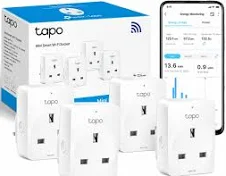
- Add a smart plug or lighting device.
- Explore smart security options.
- Introduce sensors and useful automations.
Take time to understand each addition before moving on to the next.
Final thoughts
Building a smart home in the UK is easier than ever, with a growing range of devices designed to improve convenience, security and energy management.
The best approach is to start with the problems you actually want to solve. Choose compatible products, protect your accounts and expand gradually.
At SmartHomeNest UK, we’ll help you make informed decisions about smart home technology, home security and connected living.
SmartHomeNest UK – Smarter Living. Safer Homes. Better Technology.