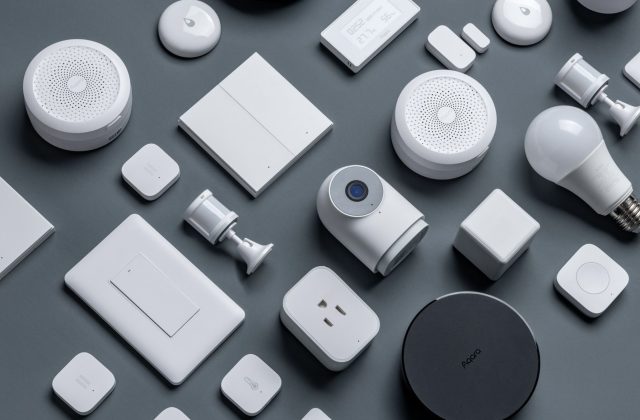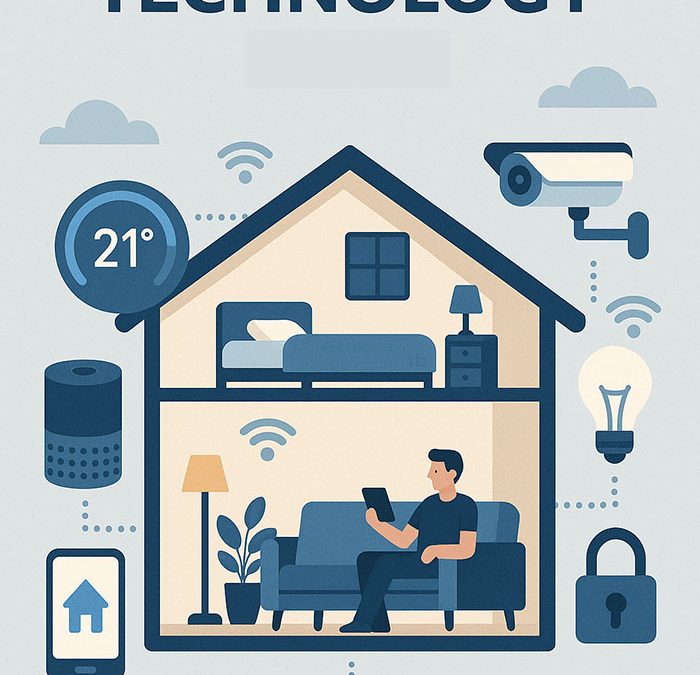
Smart home technology can make everyday life easier, improve home security and give you more control over your property. From smart lighting and video doorbells to security cameras and heating controls, there are more connected devices available than ever.
However, not every smart home product is worth buying. Some devices require ongoing subscriptions, others only work with particular ecosystems, and cheaper products can sometimes have limitations that aren’t obvious until you’ve installed them.
Before spending your money, here are seven important things to consider.
1. Check compatibility with your existing smart home
Compatibility should be one of the first things you investigate.
Some products work with Amazon Alexa, Google Home or Apple Home, while others use their own separate applications and ecosystems.
Before purchasing, check:
- Whether the device supports your preferred smart home platform.
- Whether it works with your existing devices.
- Whether a separate hub or bridge is required.
- Whether important features are available through your chosen platform.
Matter is another standard worth looking for. It is designed to improve compatibility between supported smart home products, although not every feature is necessarily available across every platform.
2. Understand the full cost
The advertised purchase price is not always the total cost of owning a smart device.
Some products require additional equipment or paid subscriptions.
For example, consider whether you need:
- A monthly or annual cloud storage subscription.
- A compatible smart home hub.
- Additional sensors or accessories.
- Professional installation.
- Replacement batteries or other consumables.
A cheaper camera might become more expensive over several years if essential features require a subscription.
Always check which features remain available without paying a monthly fee.
3. Look carefully at privacy and security
Smart home devices can collect personal information about your household, so privacy should never be an afterthought.
Before buying, investigate:
- Whether the manufacturer provides regular security updates.
- Whether two-factor authentication is available.
- Whether video recordings are stored locally or in the cloud.
- Whether you can control data-sharing settings.
- Whether the manufacturer clearly explains its privacy policy.
For cameras and video doorbells, think carefully about where recordings are stored and who can access them.
UK households should also consider privacy responsibilities when cameras capture areas beyond their own property. The ICO provides guidance on domestic CCTV and data protection.
4. Check the Wi-Fi requirements
Many smart home devices depend on a reliable internet connection.
Some products only support 2.4GHz Wi-Fi, while others support both 2.4GHz and 5GHz.
Before buying, check:
- Which Wi-Fi frequencies are supported.
- Whether the device requires a particular router configuration.
- Whether it needs a strong signal in its installation location.
- Whether an Ethernet connection is available or supported.
This is particularly important for outdoor cameras, video doorbells and devices installed far away from your router.
A good product can still perform poorly if your home network is unreliable.
5. Read independent reviews
Never rely entirely on the manufacturer’s advertising.
Look for reviews that discuss real-world performance, reliability and limitations rather than simply repeating the product specifications.
Useful things to investigate include:
- How reliable the device is over time.
- Whether the application is easy to use.
- How quickly the device responds.
- Whether installation is straightforward.
- How helpful customer support is.
- Whether important features are restricted by subscriptions.
Look for consistent feedback across multiple independent sources rather than relying on one particularly positive or negative review.
6. Consider future support and updates
Smart home technology should ideally last for several years.
A product that receives regular software and security updates is generally a more sensible long-term purchase than one that is quickly abandoned by its manufacturer.
Check whether the manufacturer has a clear support policy and whether the product is still actively supported.
It is also worth considering what happens if the manufacturer’s cloud service is discontinued. Can the device still perform basic functions locally, or would it become unusable?
This is particularly important for security equipment and devices that you depend on every day.
7. Think about installation and everyday use
A smart home product should make life easier, not introduce unnecessary complications.
Consider how the device will fit into your household.
Ask yourself:
- Can you install it yourself?
- Does it require drilling or electrical work?
- Will everyone in the household be able to use it?
- Can you control it without using a mobile phone?
- Does it continue working if your internet connection goes down?
For electrical installations, use a suitably qualified professional where required.
A simple smart home buying checklist
Before ordering any smart home product, work through this checklist:

Final thoughts
Buying smart home technology is about more than choosing the product with the most features or the lowest price.
Compatibility, privacy, reliability, ongoing costs and manufacturer support all matter.
Taking a little time to research these areas before purchasing can help you avoid expensive mistakes and build a smart home that works reliably for years.
At SmartHomeNest UK, our aim is to help you understand smart home technology, compare your options and make more informed buying decisions.