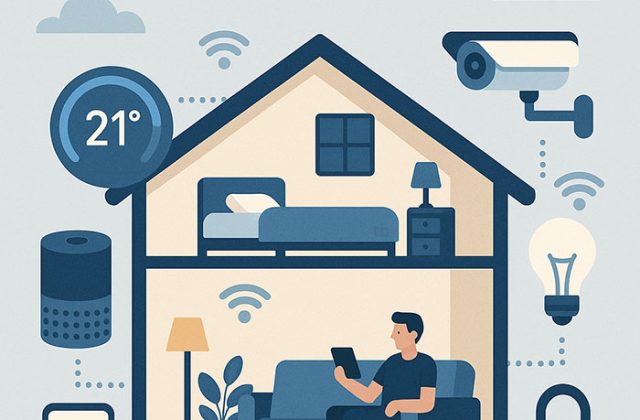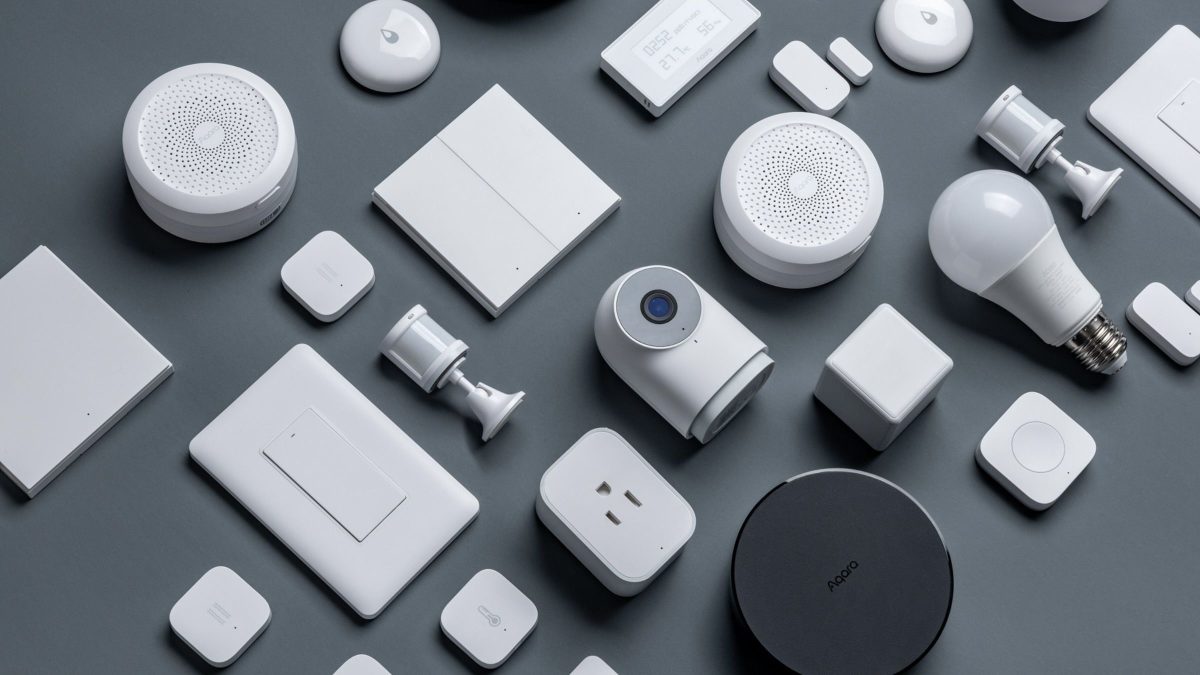
Smart home technology is becoming more affordable, making it easier than ever to add connected cameras, smart plugs, lighting and sensors to your home.
Budget devices can offer excellent value, but cheaper does not always mean better. Some products have limited features, unreliable applications or ongoing subscription costs that make them less attractive over time.
So, are cheap smart home devices worth buying? The answer depends on what you need, how the device is made and what you expect from it.
1. What do budget smart home devices offer?
Many affordable smart home products provide the basic features most households need.
Examples include:
- Smart plugs for controlling appliances.
- Smart bulbs for automated lighting.
- Temperature and humidity sensors.
- Basic indoor security cameras.
- Door and window contact sensors.
- Motion detection devices.
For simple tasks, an inexpensive product can be perfectly suitable.
You don’t necessarily need an expensive premium device to switch a light on remotely or receive a notification when a door opens.
2. Where can cheaper devices fall short?
The biggest differences often appear in reliability, software and long-term support.
Some budget products may have:
- Less polished mobile applications.
- Slower response times.
- Fewer automation options.
- Limited integration with other smart home platforms.
- Less frequent software updates.
- Shorter manufacturer support periods.
These limitations won’t matter to everyone, but they are worth investigating before purchasing.
A smart plug that occasionally disconnects might be frustrating. An unreliable security camera could be a much more serious problem.
3. Are cheap smart security cameras worth it?
Security cameras deserve particular attention because reliability and privacy matter more than simply getting the lowest price.
Before buying a budget camera, check:
- Video resolution and image quality.
- Night vision performance.
- Motion detection capabilities.
- Whether recordings can be stored locally.
- Whether cloud storage requires a subscription.
- Whether two-factor authentication is available.
- How frequently the manufacturer provides security updates.
Don’t assume that an inexpensive camera provides the same detection accuracy, recording options or support as a more expensive model.
For important security areas, reliability should take priority over saving a few pounds.
4. Watch out for subscription costs
One of the biggest surprises when buying smart home technology is discovering that certain features require a subscription.
Some manufacturers charge extra for:
- Cloud video recording.
- Extended recording history.
- Advanced motion detection.
- Person or vehicle recognition.
- Additional automation features.
- Multiple device management features.
A device that initially looks inexpensive might cost considerably more over several years.
Always investigate what works without a subscription before making your decision.
5. Check compatibility before buying
Affordable smart home devices sometimes rely on specific applications or ecosystems.
Check whether the product works with:
- Amazon Alexa.
- Google Home.
- Apple Home.
- Matter-compatible platforms.
- Your existing smart home hub.
Also check whether the advertised integration includes the features you actually want.
A device might connect to Alexa but only support basic voice commands rather than every function available in its own application.
Compatibility information should be checked carefully rather than assumed.
6. Don’t overlook privacy and security
Price should never be the only consideration when buying an internet-connected product.
Smart home devices can collect information about your household, network and daily routines.
Before buying, investigate the manufacturer.
Look for:
- A clearly explained privacy policy.
- Regular security updates.
- Secure account authentication.
- Two-factor authentication.
- Clear information about cloud storage.
- A way to delete recordings and personal information.
Be particularly cautious with unknown manufacturers that provide little information about their software support or data handling.
7. When is spending more worthwhile?
There are situations where paying more can make sense.
Consider spending extra when buying equipment that performs an important job or needs to work reliably every day.
Examples include:
Security cameras: Better image quality, detection capabilities and dependable recording can be worthwhile.
Video doorbells: Reliable notifications, clear two-way audio and useful recording options matter.
Wi-Fi equipment: A good router or mesh system can improve the performance of your entire smart home.
Smart heating controls: Compatibility, reliability and accurate control are more important than simply choosing the cheapest option.
For simple lighting and smart plugs, however, a budget device may be more than adequate.
8. How to compare cheap and expensive devices
Don’t compare products using price alone.
Use the following checklist when researching your options:
| Feature | What to investigate |
|---|---|
| Compatibility | Does it work with your existing devices? |
| Reliability | Are there recurring connection problems? |
| Privacy | How is personal information handled? |
| Security | Are updates and two-factor authentication available? |
| Subscriptions | Which features require payment? |
| Support | Is the manufacturer still supporting the product? |
| Installation | Does it require extra equipment or professional fitting? |
| Overall cost | What will it cost over several years? |
Reading independent reviews and checking manufacturer documentation can help you identify the differences that matter.
Final thoughts
Cheap smart home devices can absolutely be worth buying.
For straightforward tasks such as controlling lights, switching appliances and monitoring room conditions, budget products can offer excellent value.
However, when it comes to security cameras, video doorbells, networking and other important equipment, reliability, privacy and ongoing support deserve more attention.
The best purchase isn’t necessarily the cheapest or the most expensive. It’s the product that meets your needs, works with your existing setup and provides good value over its lifetime.
At SmartHomeNest UK, we believe that choosing smart home technology should be about making informed decisions, not simply buying the product with the biggest marketing claims.